Twelve mills.
One table in Worli.
Every suit starts with the cloth. Find yours here, feel it at your sitting, and wear it in four to five weeks.
From the bunch to your shoulders.
Short-list the mills that suit the occasion. Your list travels with your booking, so the right bunches are on the table when you arrive.
The bunches come out. Hold the cloth to the window, feel the weight, see it against your skin. We narrow it to three.
House cloth is cut from our shelves. Mill cloth is ordered in your length; if it is not at the atelier, we order it from the mill.
Your pattern is chalked onto your cloth and cut by one cutter, for this suit alone.
The cloth is basted, fitted twice and finished in our atelier in Worli. Cloth ordered from a mill adds the days it takes to arrive.
Three answers. Three mills.
Every mill on the table.
Worsteds we keep in stock for everyday suits. Cut the same week.
- Ranges
- House worstedsWorkhorse navy and grey
- Fibres
- Wool
- Good for
- OfficeA first suit
- Two-piece suitFrom₹35,000
- Three-piece suitFrom₹42,000
- TuxedoFrom₹40,000
- BlazerFrom₹28,000
- BandhgalaFrom₹30,000
- SherwaniFrom₹32,000
The oldest mill we carry. Balanced, even worsteds that wear well all year.
- Ranges
- PerennialSuper 150sEvening cloth
- Fibres
- WoolWool and mohair
- Good for
- OfficeA first suitBlack tie
- Two-piece suitFrom₹50,000
- Three-piece suitTypically₹81,250
- TuxedoTypically₹74,750
- BlazerTypically₹42,900
- BandhgalaTypically₹45,500
- SherwaniTypically₹48,750
Merino from its own farms in New Zealand. Clean worsteds and soft flannels.
- Ranges
- EsquireAgilityFlannel
- Fibres
- WoolFlannel
- Good for
- OfficeTravelA first suit
- Two-piece suitFrom₹55,000
- Three-piece suitTypically₹75,000
- TuxedoTypically₹69,000
- BlazerTypically₹39,600
- BandhgalaTypically₹42,000
- SherwaniTypically₹45,000
A Paris cloth house. Amadeus for every day, mohair for warm evenings.
- Ranges
- Amadeus 365Tropical AmadeusEchoMohair
- Fibres
- WoolWool and mohairWool with stretch
- Good for
- Mumbai summerBlack tieOffice
- Two-piece suitFrom₹60,000
- Three-piece suitTypically₹90,000
- TuxedoTypically₹82,800
- BlazerTypically₹47,520
- BandhgalaTypically₹50,400
- SherwaniTypically₹54,000
A family spinner. Cloth that travels: stretch, crease-resistant, wool-linen.
- Ranges
- VantageTravel finishWool-linen
- Fibres
- WoolWool and linenWool, linen and silk
- Good for
- TravelMumbai summerOffice
- Two-piece suitFrom₹65,000
- Three-piece suitTypically₹93,750
- TuxedoTypically₹86,250
- BlazerTypically₹49,500
- BandhgalaTypically₹52,500
- SherwaniTypically₹56,250
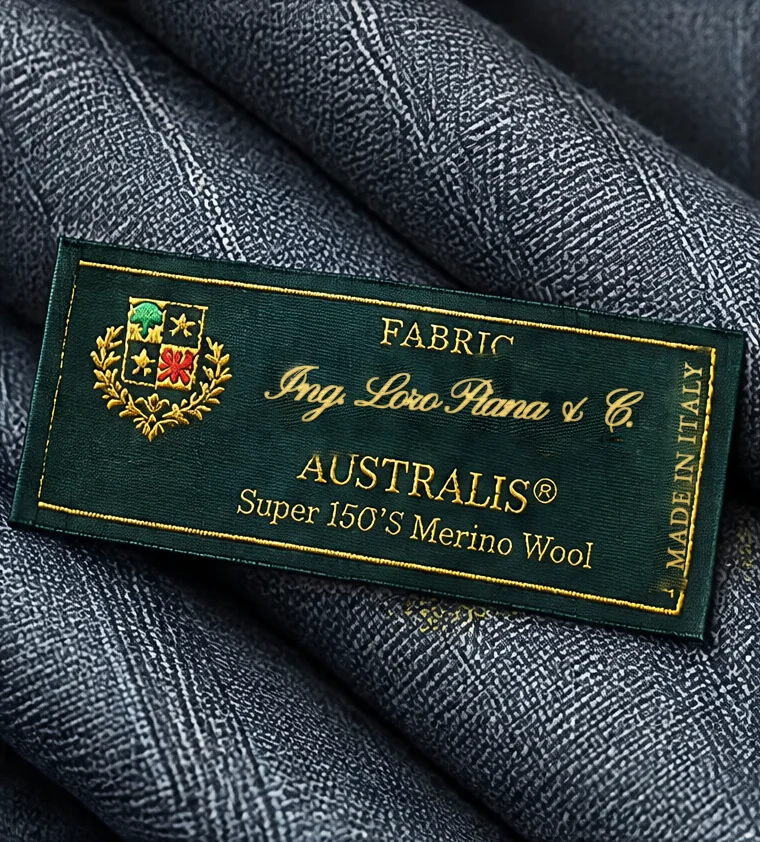
The softest hand we hold. Fine merino and wool-silk for the big occasions.
- Ranges
- AustralisFour SeasonsZelander
- Fibres
- WoolWool and silk
- Good for
- WeddingBlack tieOffice
- Two-piece suitFrom₹1,50,000
- Three-piece suitTypically₹2,25,000
- TuxedoTypically₹2,07,000
- BlazerTypically₹1,18,800
- BandhgalaTypically₹1,26,000
- SherwaniTypically₹1,35,000
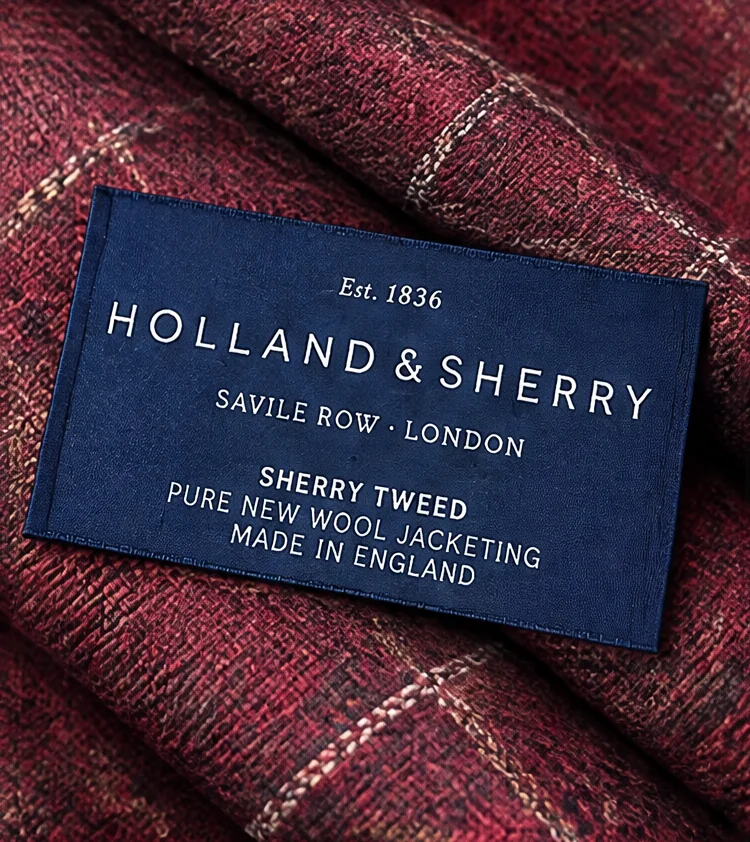
The Savile Row merchant. English mohairs for black tie, tweeds for jackets.
- Ranges
- English MohairsSherry TweedEco Traveller
- Fibres
- WoolWool and mohair
- Good for
- Black tieWeddingTravel
- Two-piece suitFrom₹1,65,000
- Three-piece suitTypically₹2,06,250
- TuxedoTypically₹1,89,750
- BlazerTypically₹1,08,900
- BandhgalaTypically₹1,15,500
- SherwaniTypically₹1,23,750
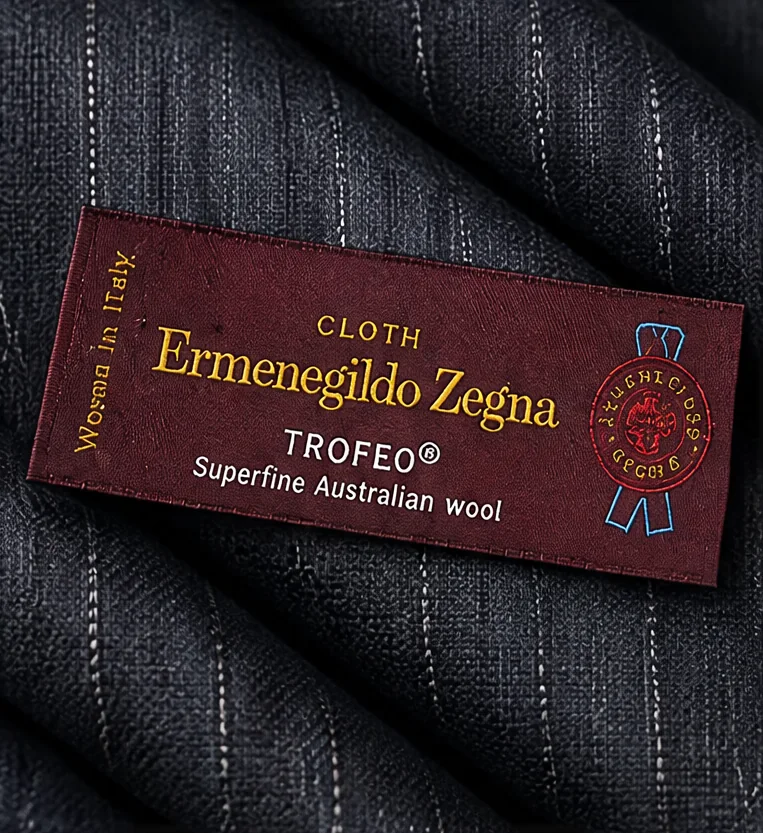
Trofeo for the office, 15milmil15 at the top, Traveller for the flight.
- Ranges
- Trofeo15milmil15Traveller
- Fibres
- WoolWool and silkCashmere
- Good for
- OfficeWeddingTravel
- Two-piece suitFrom₹1,80,000
- Three-piece suitTypically₹2,50,000
- TuxedoTypically₹2,30,000
- BlazerTypically₹1,32,000
- BandhgalaTypically₹1,40,000
- SherwaniTypically₹1,50,000
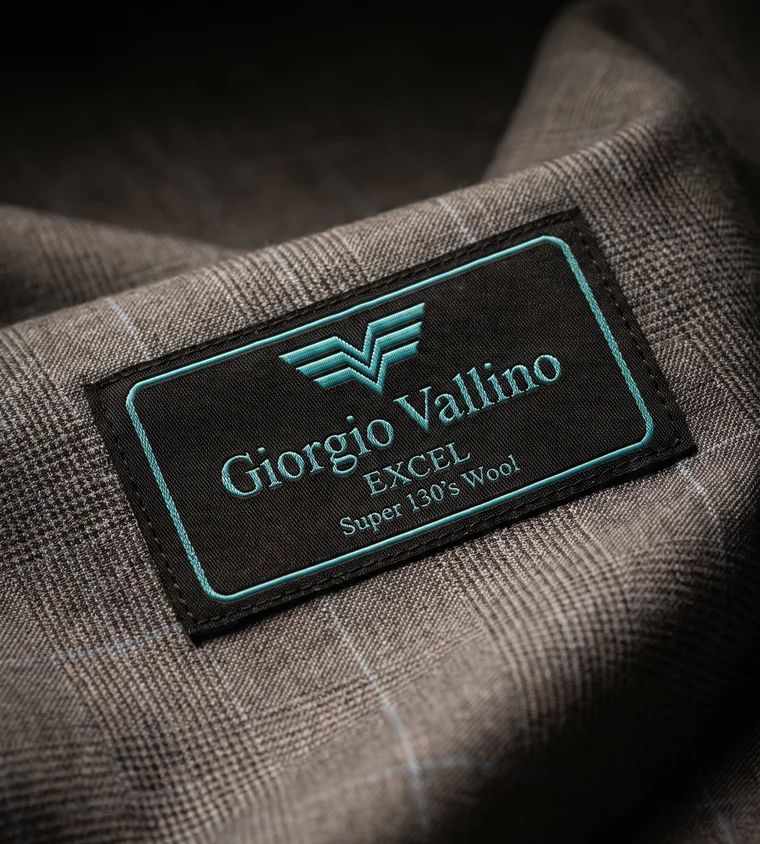
Italian worsteds with a clean finish, for the office and every day.
- Ranges
- ExcelNecessity
- Fibres
- Wool
- Good for
- OfficeA first suit
- Every garmentPriced at your sitting
Wool, wool-silk, cotton and pure linen. The lighter side of the table.
- Ranges
- SummonPanorama
- Fibres
- WoolWool and silkCottonLinen
- Good for
- Mumbai summerFestiveOffice
- Every garmentPriced at your sitting
Huddersfield worsteds. Firm, English, made to be worn hard.
- Ranges
- Huddersfield worsteds
- Fibres
- Wool
- Good for
- OfficeTravel
- Every garmentPriced at your sitting
Two-ply cotton from Super 120s to 200s, and pure linen.
- Ranges
- BespokeSuper 120s–200sLinen
- Fibres
- CottonLinen
- Good for
- OfficeWeddingFestive
- ShirtFrom₹15,000
Italian shirting, poplin to twill, Super 120s to 200s, and linen.
- Ranges
- Super 120s–200sLinen
- Fibres
- CottonLinen
- Good for
- OfficeFestiveMumbai summer
- ShirtFrom₹12,000
Cotton shirting we keep in stock. Ready to cut the same week.
- Ranges
- House cotton
- Fibres
- Cotton
- Good for
- OfficeA first suit
- ShirtFrom₹3,500
Prices are the finished garment in that cloth, made up at Worli. The mill sets the price of its cloth. Every cloth and its price →
What buying up gets you.
A two-piece suit, made up, in each cloth. Lowest to highest in each mill's book.
The right weight for the month.
Evening cloth, barathea and midnight herringbone, is kept for black tie; jacquards and raw silks for weddings. Cloth for Bombay →
What the bunch is telling you.
Super 100s – 200s
How fine the wool fibre is. Higher is finer and softer, and asks for more care.
Worsted
Long fibres combed and twisted tight. Smooth, holds a crease. Most suits.
High-twist
Yarn twisted extra hard. The cloth breathes and springs back: made for heat.
Fresco
An open high-twist weave you can see light through. The summer suit.
Mohair
Goat hair woven with wool. A dry hand, a slight sheen, cool in the evening.
Barathea
A fine ribbed twill. The classic black tie cloth.
Flannel
Brushed and soft, a little warmer. For the cooler weeks.
Herringbone
A broken twill that runs in a V.
Two-ply
Two yarns twisted into one. Stronger shirting that hangs better.
Weight (g)
Grams per metre. Under 250 g is right for a Mumbai summer.
Bunch
The mill's book of swatches. Ours are kept at the atelier.
Selvedge
The woven edge of the cloth, often carrying the mill's name.
Asked about cloth.
Which mills do you carry?
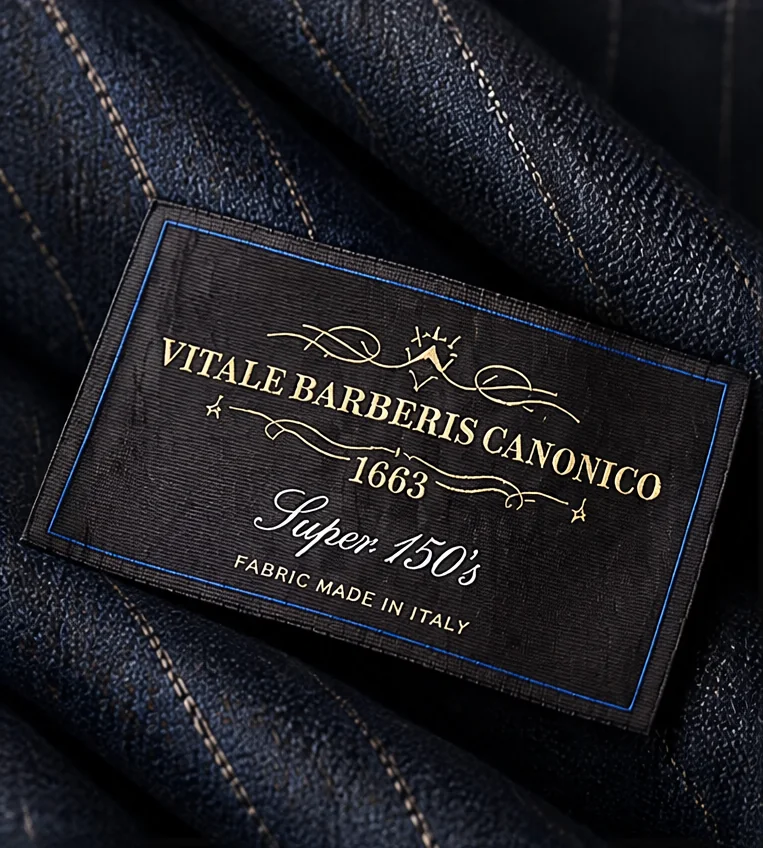
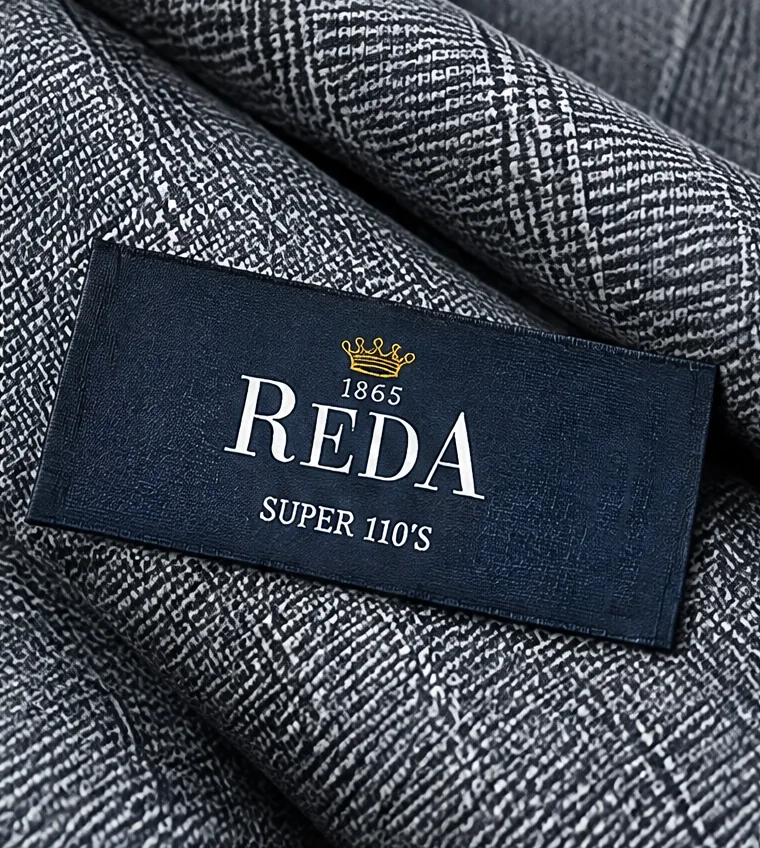
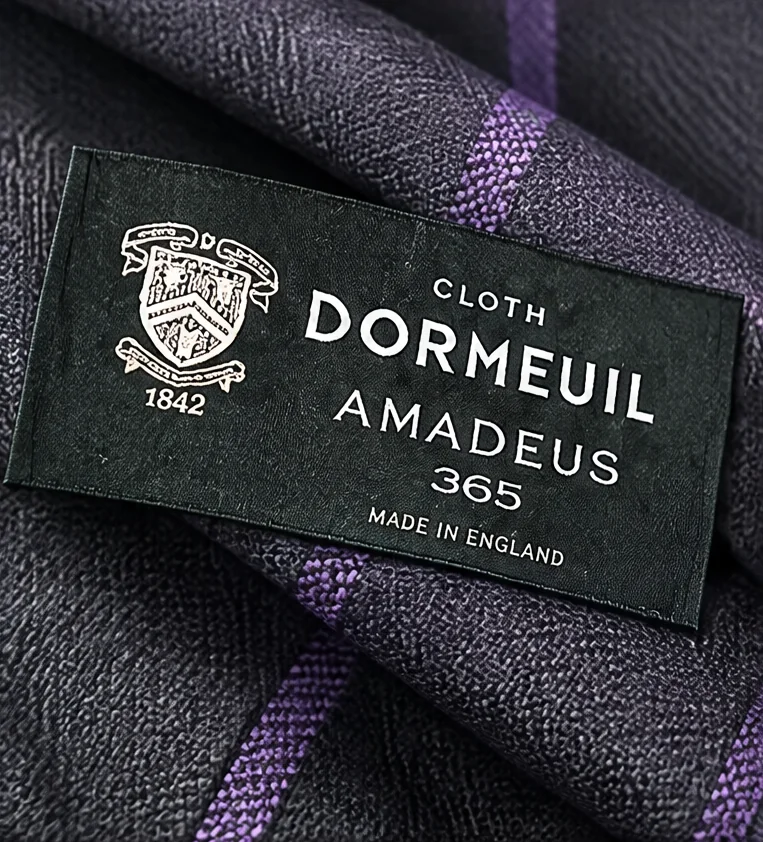
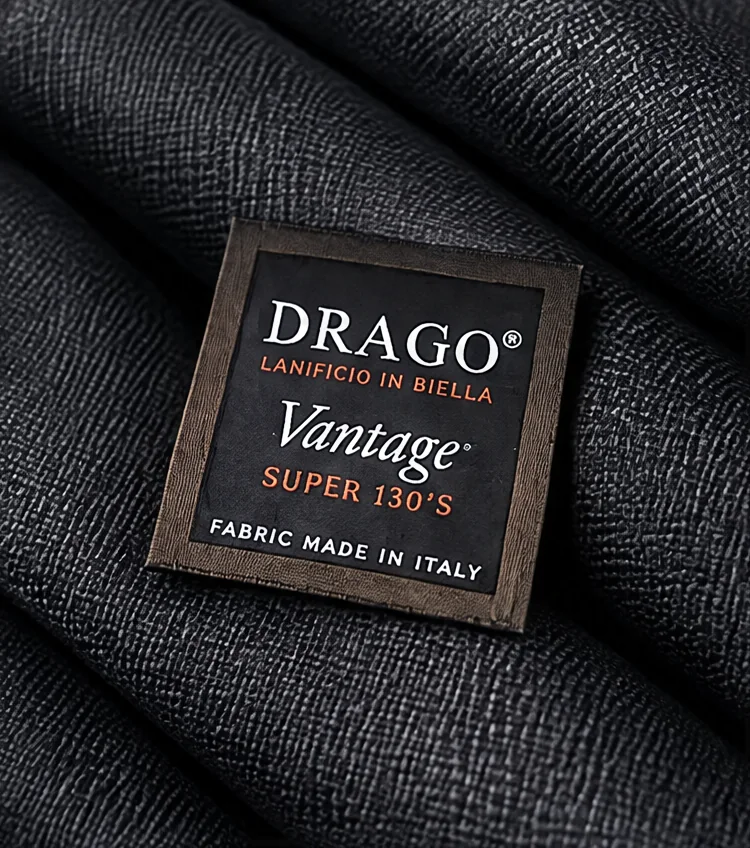
Vitale Barberis Canonico, Reda, Dormeuil, Drago, Loro Piana, Holland & Sherry, Ermenegildo Zegna, Giorgio Vallino, Kerry Knoll and Bower Roebuck for suits; Thomas Mason and Tessitura Monti for shirts; and our own house cloth.
Can I see the cloth before I book?
Yes. The bunches are at the atelier in Worli, open every day, 10:30 to 20:30. Or book a fitting and we bring a short list to your door in Mumbai.
Can I bring my own cloth?
Yes. Bring the length to the atelier and we will tell you whether it is enough and whether it will make up well. Making only, in your own cloth: shirt ₹1,500 · trousers ₹2,500. Other garments in your cloth are priced at the atelier.
What should a first suit be cut from?
A mid-weight navy or grey worsted. It works all year, and in every room in the city.
Why do the mills cost so differently?
The fineness of the fibre, the weave and how much of it the mill makes. The mill sets the price; the making is the same care in every cloth.
Cloth becomes a garment in The Making →
The bunches are on the table.
At the atelier in Worli or at your address in Mumbai. We confirm on WhatsApp the same day.