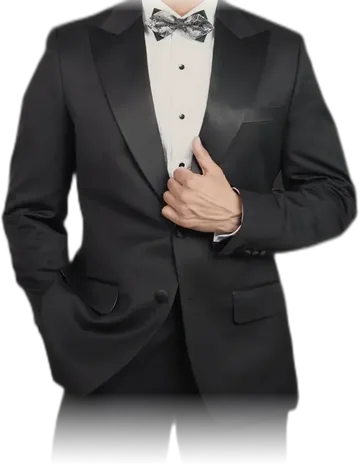
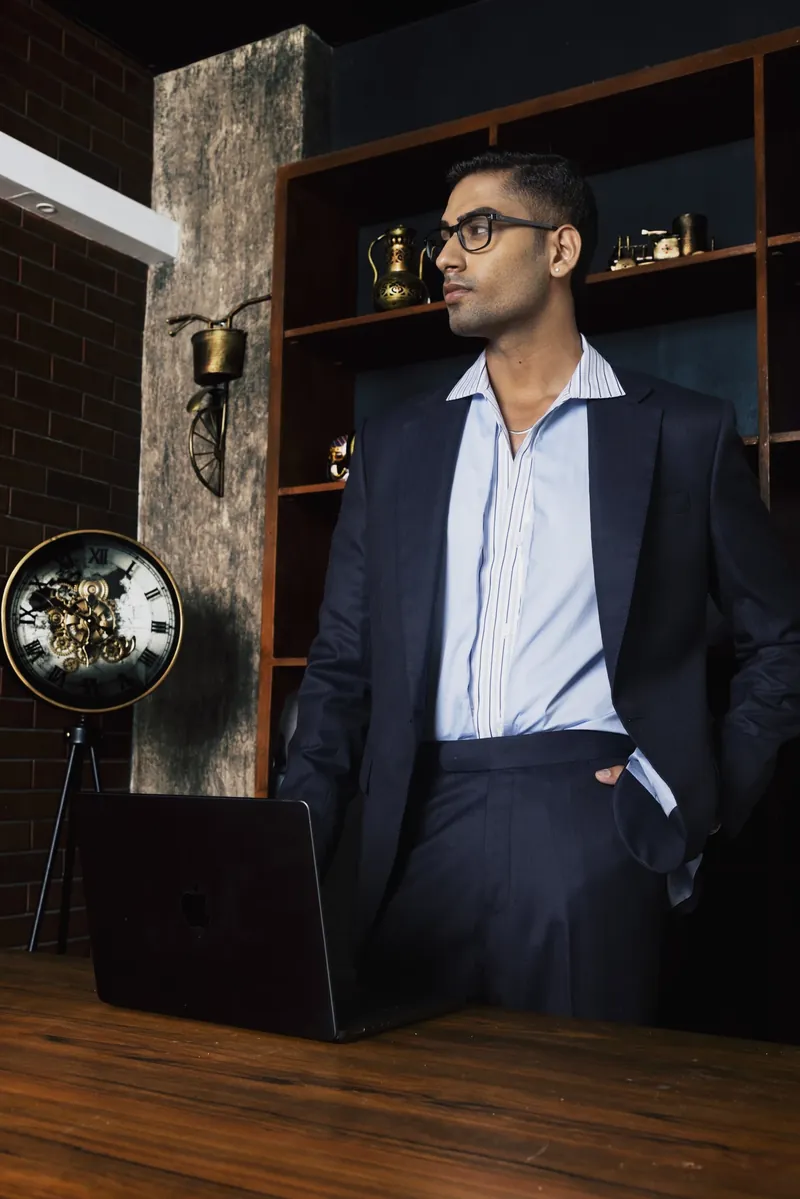
The case for midnight blue.
The optical fact
Black cloth under electric light turns slightly grey-green, flat and faintly dusty. Midnight blue does the opposite — the deep blue reads to the eye as a richer, denser black than black itself. This is not taste; it is optics, and photographers have known it longer than tailors.
The historical fact
The Duke of Windsor's evening clothes were midnight. So were those of most of the old tailoring houses, cut in midnight barathea precisely because their clients were seen by candlelight and chandelier, never by daylight. The rule survived because every photograph proved it.
The practical fact
A wedding reception, an award evening, a dinner — every hour a tuxedo works is an artificially lit hour. And in the one setting where the two cloths stand side by side, midnight blue looks darker than black.
We make both, and will show you both under the atelier lights before you decide — the comparison takes ten seconds and usually ends the debate. See it for yourself before an evening commission.
The garments
The garments this note is about
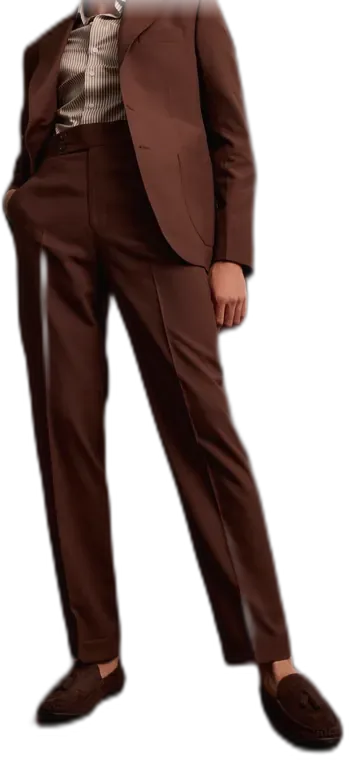
Two-piece suit
SuitsFrom₹35,000
The house two-piece: single-breasted, notch lapel, patch pockets.
Commission thisTwo-piece suit
SuitsThe house two-piece: single-breasted, notch lapel, patch pockets.
Commission this
From₹35,000
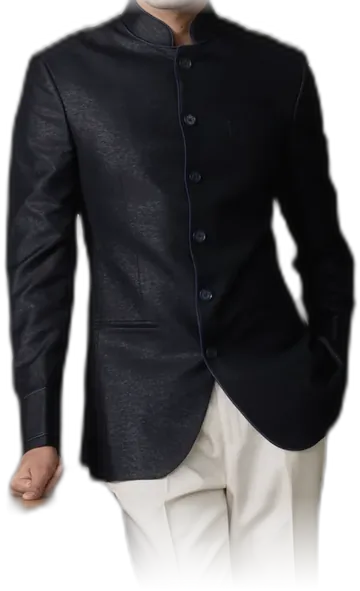
Bandhgala
BandhgalasAt the atelier
A bandhgala built like a tuxedo jacket, closed at the collar.
Commission thisBandhgala
BandhgalasA bandhgala built like a tuxedo jacket, closed at the collar.
Commission this
At the atelier
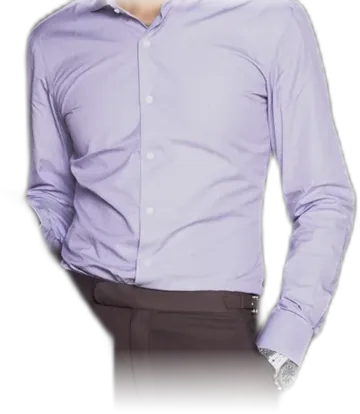
Cutaway-collar shirt
ShirtsFrom₹12,000
A shirt cut to a pattern of your own, with a collar drafted for you.
Commission thisCutaway-collar shirt
ShirtsA shirt cut to a pattern of your own, with a collar drafted for you.
Commission this
From₹12,000