17 September 2026 · The Journal
Start with the functions, not the outfit
Before you choose a garment, write down every function, its time of day, and whether it is indoors or outdoors. A groom usually needs three or four looks, and they should read as one wardrobe: related in colour and mood, never identical. One measure serves all of them. Wedding clothes →
The ceremony
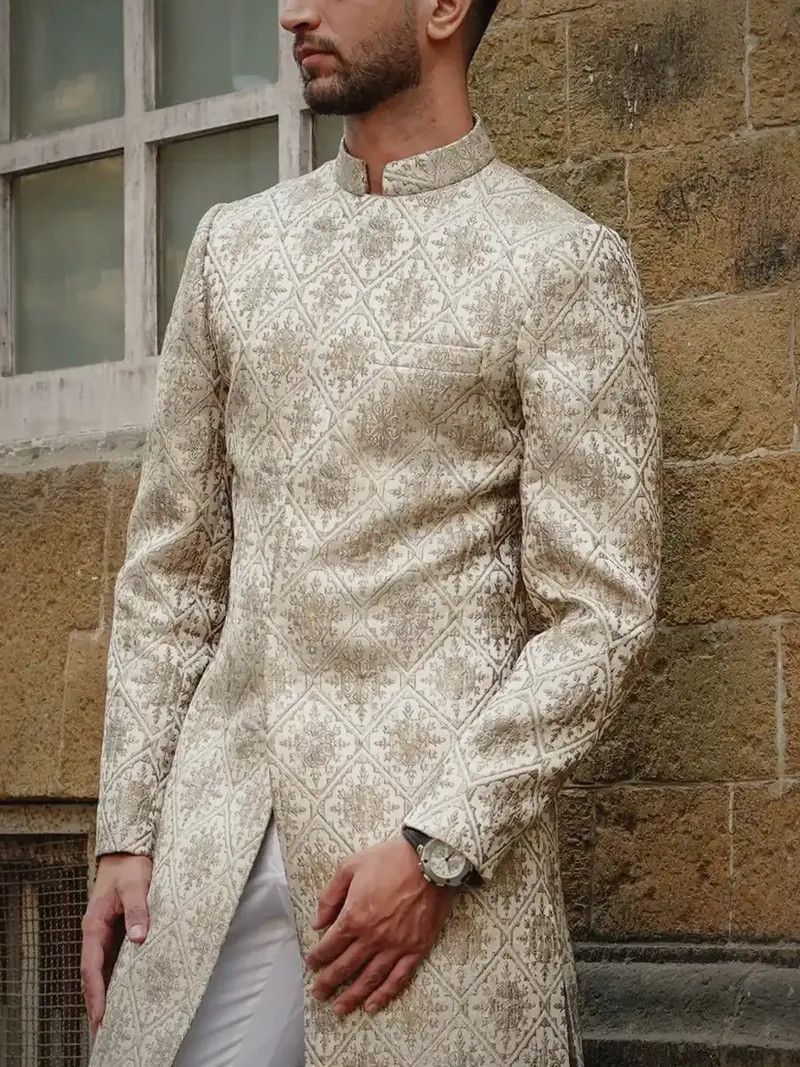
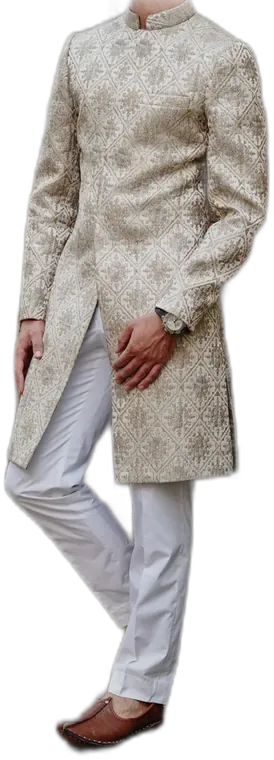
For the pheras the sherwani is still the right answer for most grooms. Two decisions matter more than the embroidery. The first is fit: a sherwani is a long coat, and it shows a poor shoulder or a wrong length more clearly than a suit does. The second is weight: you will wear it for hours, often outdoors and near a fire, so heavy embroidery on a heavy cloth is a mistake you will feel by the second hour. Bespoke sherwanis →
The sangeet and the smaller functions
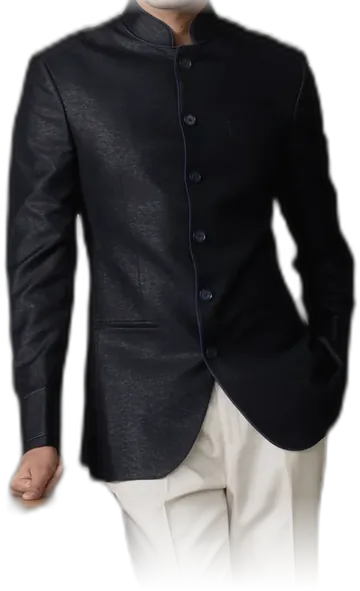
The bandhgala earns its place here. It is formal without being ceremonial, it moves well, and it photographs cleanly. A bandi over a kurta does the same work for a mehendi or a daytime function, and keeps you cool. Bespoke bandhgalas →
The reception
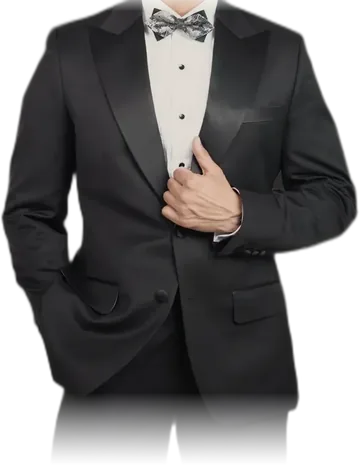
This is where Western tailoring comes in. For an evening reception the choice is between a tuxedo and a very good dark suit. If the invitation or the room is formal, wear the tuxedo, in black or midnight blue. If the evening is looser, a navy or charcoal suit cut for you, with a plain white shirt, will look better than most tuxedos in the room. Tuxedos and black tie →
Cloth for the weather
Wedding season here runs from November to February, which helps, but the city is still warm and the halls are crowded. Choose lighter, open-weave wools for the Western pieces and avoid heavy linings. For Indian pieces, put the richness in the cloth itself rather than in layers of added work. Cloth for Bombay →
The family
Fathers, brothers and close friends stand in the same photographs. When we dress the family together, the colours are planned so that the party reads as a party and the groom still reads as the groom.
When to start
About twelve weeks before the first function. That leaves time for the decision, the cloth, the basted fitting and the forward fittings, and lets the garments be finished a week early — the week before a wedding has enough going on. If you have less time than that, tell us the date first and we will say plainly what can be done. We take a small number of urgent orders when the atelier has room. Write with your date and we will tell you the same day whether we can. The wedding timeline →
Bring the dates and the invitation. We will plan the wardrobe across the functions in one sitting. Book a fitting →
← The Journal